In today’s business environment, logistics is no longer just a supporting function. For manufacturers, retailers, distributors, and e-commerce companies, it has become one of the key factors determining competitiveness. The efficiency of logistics processes directly affects delivery speed, service quality, customer satisfaction, and ultimately, business profitability.
More and more companies are outsourcing logistics operations to professional 3PL (Third-Party Logistics) providers. This approach helps reduce infrastructure costs, gain access to advanced technologies, and focus on core business development. At the same time, choosing a logistics partner is a strategic decision that directly influences supply chain stability and customer service quality.
Let’s explore ten key criteria to consider when selecting a 3PL operator.
Experience and Market Reputation
In logistics, experience matters. A company that has been operating for many years has encountered a wide range of challenges and developed effective solutions. Experienced operators understand the specific requirements of different industries, transportation methods, and warehouse operations, allowing them to provide tailored solutions for each client.
Before entering into a partnership, evaluate the provider’s years in business, client reviews, case studies, and customer portfolio. A logistics company trusted by well-known manufacturers, retail chains, or international brands often demonstrates a proven track record and high service standards.
Modern Warehouse Infrastructure
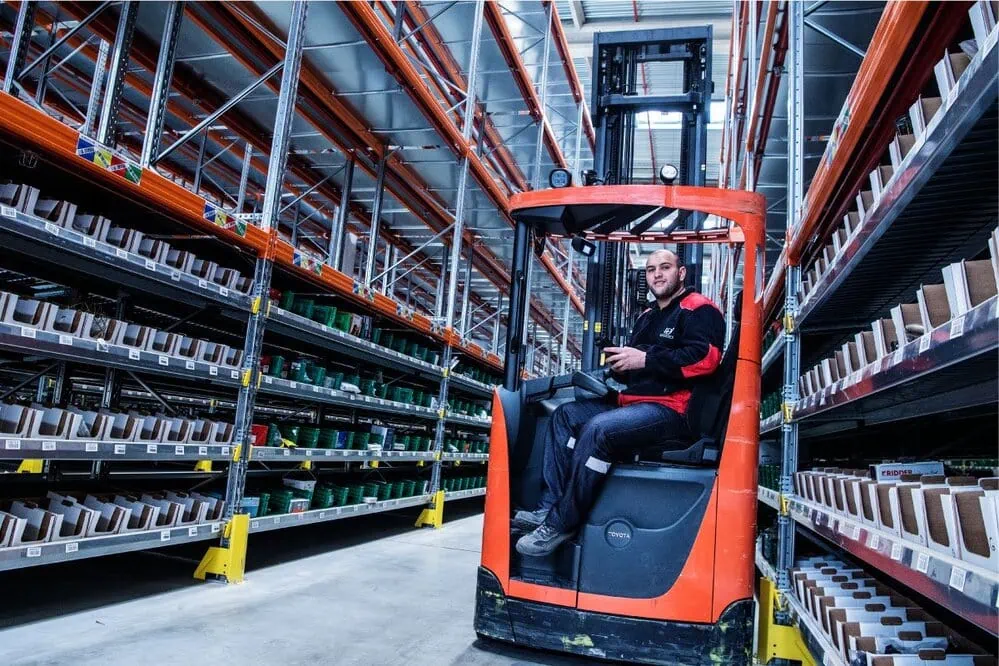
One of the most important factors is the availability of modern warehouse facilities. Class A and A+ warehouses provide optimal storage conditions, efficient space utilization, and high levels of security.
It is important to assess not only the total warehouse capacity but also the geographic location of facilities. Logistics centers strategically positioned in key regions help reduce delivery times and transportation costs. Additionally, ensure the provider can scale operations as your business grows and inventory volumes increase.
Technology and Process Automation
Modern logistics relies heavily on digital solutions. Professional 3PL operators use Warehouse Management Systems (WMS), Transportation Management Systems (TMS), and other automation tools to streamline operations.
Automated processes minimize human error, improve inventory accuracy, and provide real-time visibility into stock levels and cargo movements. For clients, this means greater transparency, better control, and faster decision-making.
Comprehensive Service Portfolio
The broader the range of services offered by a logistics provider, the easier it becomes to manage the entire supply chain. Ideally, one partner should be able to handle warehousing, fulfillment, transportation, cross-docking, customs clearance, and value-added services.
A comprehensive approach reduces the need to coordinate multiple contractors, lowers administrative costs, and ensures seamless communication across all logistics operations.
Flexibility and Customized Solutions
Every business has unique requirements. Some companies face seasonal demand fluctuations, while others need specialized storage conditions or operate complex international supply chains.
A reliable 3PL operator does not rely on one-size-fits-all solutions. Instead, they analyze business needs, customize processes, and adapt quickly to changing market conditions. This flexibility is often a key factor in building long-term partnerships.
Transportation Network and Delivery Coverage
For many businesses, delivery speed is a critical performance indicator. Therefore, it is important to evaluate the provider’s transportation network, carrier partnerships, geographic coverage, and experience in managing international shipments.
A strong transportation infrastructure ensures reliable delivery schedules, even during peak demand periods, helping businesses maintain customer satisfaction and operational continuity.
Quality Control and Service Level Agreements (SLAs)
Professional logistics providers operate according to clearly defined service standards and performance metrics. Service Level Agreements (SLAs) typically include indicators such as delivery punctuality, order accuracy, processing speed, and customer service responsiveness.
Transparent KPIs allow businesses to measure logistics performance and ensure that agreed service standards are consistently met.
Cargo Security
Protecting goods throughout the supply chain is one of the primary responsibilities of a logistics provider. When evaluating a 3PL partner, consider warehouse security systems, video surveillance, access control procedures, fire protection measures, and liability insurance coverage.
Security becomes particularly important when handling high-value products, electronics, pharmaceuticals, or goods requiring special storage conditions.
Communication Transparency and Customer Support
Even the most advanced technologies cannot replace effective communication. Businesses should be able to quickly access information about shipment status, inventory levels, and order fulfillment progress.
Dedicated account managers, responsive customer support, and regular reporting are strong indicators of a client-focused logistics provider committed to maintaining long-term relationships.
Balancing Cost and Value
One of the most common mistakes businesses make is choosing a logistics provider based solely on the lowest price. While lower costs may seem attractive initially, they can lead to delays, fulfillment errors, damaged customer relationships, and increased operational risks over time.
Instead of focusing exclusively on pricing, businesses should evaluate the overall value a 3PL provider delivers. Service quality, technology capabilities, operational reliability, scalability, and process efficiency often have a far greater impact on long-term business success than cost alone.
Conclusion
Choosing a 3PL operator is not simply about finding a logistics vendor—it is a strategic business decision that affects every stage of the supply chain. The right partner can improve operational efficiency, reduce costs, enhance customer satisfaction, and support business growth.
By carefully evaluating factors such as experience, infrastructure, technology, service capabilities, flexibility, security, and customer support, companies can build a reliable and scalable logistics ecosystem. Ultimately, selecting the right 3PL partner should be viewed as an investment in long-term competitiveness and sustainable growth.